Families play an incredibly important role in the lives of autistic young people. Parents, carers, siblings and extended family members often provide the daily encouragement, structure, reassurance and practical help that allows a young person to feel safe and understood. For many families, this support begins early and continues through the teenage years, the transition out of school and into young adulthood.
But as young people grow, a new question often appears: How do we keep supporting them without doing everything for them?
This can be a difficult balance. Families naturally want to protect their young person from stress, disappointment, confusion or overwhelm. When something feels hard, it can be quicker and easier to step in, answer for them, organise everything, make the decision, complete the task or avoid the challenge altogether.
Sometimes that help is needed. But over time, if adults do everything, the young person may miss opportunities to practise independence, make choices, build confidence, solve problems and learn what they are capable of doing with the right support.
At Autism Futures, we understand this balance. Autism Futures supports young autistic people aged 15–25 with autism and mild intellectual disabilities through personalised NDIS programs focused on confidence, independence and a clearer future. Our approach is person-centred, structured and focused on real-life outcomes, while working closely with participants, families and carers.
This article is a practical parent guide for autism independence, helping families understand how to encourage choice-making, support communication, create safe opportunities for young people to try new tasks, and work alongside person-centred supports without feeling replaced.
The goal is not to step back completely. The goal is to step in thoughtfully.
Why Families Often Step In Quickly
Many families step in because they care deeply. They know their young person’s needs, routines, triggers, preferences and challenges. They may have spent years advocating in school meetings, organising appointments, explaining needs to others and helping their child manage environments that were not always designed with autistic people in mind.
When a young adult with autism struggles with a task, families may step in because they want to reduce stress. If a young person finds it hard to order food, a parent may order for them. If a young person struggles to pack their bag, a carer may pack it quickly. If a young person feels anxious about trying something new, the family may decide it is easier not to go.
These responses are understandable. They often come from love, protection and exhaustion. Families are usually trying to make life easier.
However, as young people move towards adulthood, independence is built through practice. A young person may not become confident ordering food unless they have opportunities to try, with support. They may not learn to pack their own bag unless the task is broken into steps and practised repeatedly. They may not feel ready for community participation unless they have safe, gradual experiences outside the home.
Supporting independence does not mean leaving the young person to struggle alone. It means creating the right level of support so they can participate, learn and grow.
This is where Autism Futures can help. Our programs are designed to support young people to build life skills, communication, emotional regulation, everyday independence, community participation and future readiness in a way that respects their individual pace.
Independence Does Not Mean Doing Everything Alone
One of the most important ideas for families to understand is that independence does not always mean doing everything without support.
For autistic young people, independence might look like making a choice with visual options. It might mean completing one step of a task instead of the whole task. It might mean asking for help instead of becoming overwhelmed. It might mean travelling with support before travelling more independently. It might mean joining a community activity for 30 minutes before building up to a longer session.
Independence is not all-or-nothing.
A young person may always need support in some areas, and that is okay. The focus should be on building confidence, participation and skills in ways that are meaningful for that person. For some young people, the goal may be preparing a simple meal. For others, it may be managing a weekly schedule, attending a community group, volunteering, using transport, practising social communication or preparing for future work.
Supporting young autistic people means recognising that each person’s independence pathway will look different. Comparing one young person to another can create unnecessary pressure. A better question is: What is the next meaningful step for this young person?
At Autism Futures, support is tailored to individual goals, strengths and future aspirations. The organisation’s services include communication and social skills, emotional regulation and confidence, everyday independence, and future and work readiness. These areas connect closely with family support because young people often build confidence through consistent practice across home, community and support settings.
The Difference Between Helping and Taking Over
Families often ask where the line is between helping and taking over. The answer depends on the young person, the situation and the level of risk involved.
Helping means providing the right amount of support so the young person can participate. Taking over means completing the task in a way that removes the young person’s opportunity to practise.
For example, if a young person is learning to make breakfast, helping might mean placing ingredients where they can see them, using a simple checklist, modelling the first step, and allowing extra time. Taking over would be making the breakfast every morning because it is faster.
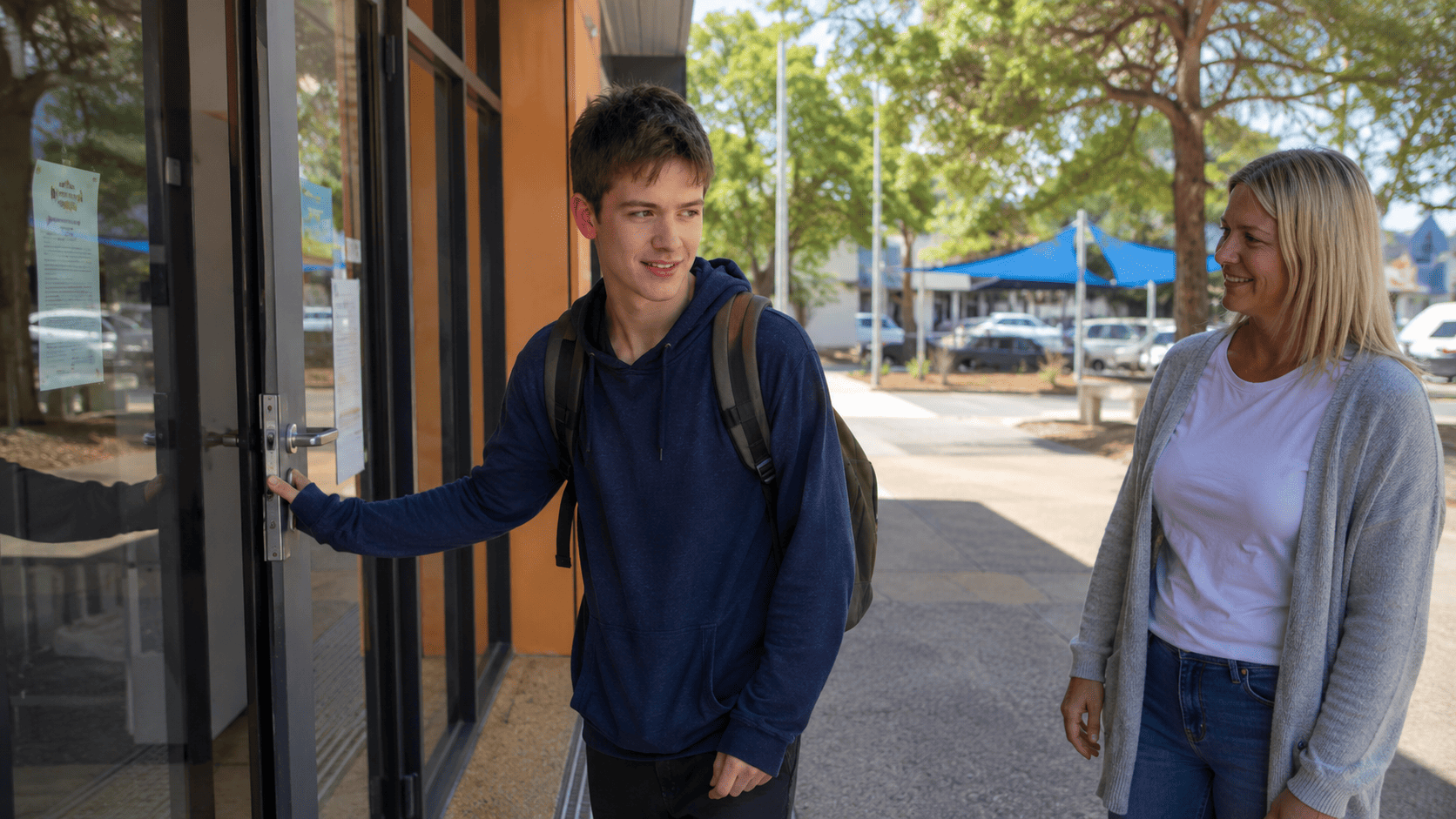
If a young person is learning to speak to a shop assistant, helping might mean practising the sentence beforehand, standing nearby and offering reassurance. Taking over would be answering every question for them before they have time to try.
This does not mean families should never step in. There will be times when a young person is overwhelmed, unsafe, unwell or not ready. In those moments, direct support may be necessary. The key is to return to skill-building when the young person is calm and supported.
A helpful way to think about it is: Can I make this task easier without removing the young person from the task completely?
Autism Futures can help families identify these support levels. We can work with young people to practise real-life skills in a structured way, while also helping families understand how to encourage independence without creating unnecessary pressure.
Start With Choice-Making
Choice-making is one of the most practical ways to build independence. It allows young people to practise expressing preferences, making decisions and having some control over their daily lives.
For some autistic individuals, open-ended questions can feel overwhelming. Asking “What do you want to do today?” may be too broad. A more supportive approach might be, “Would you like to go for a walk or visit the library?” This gives the young person a real choice, but within a clear and manageable structure.
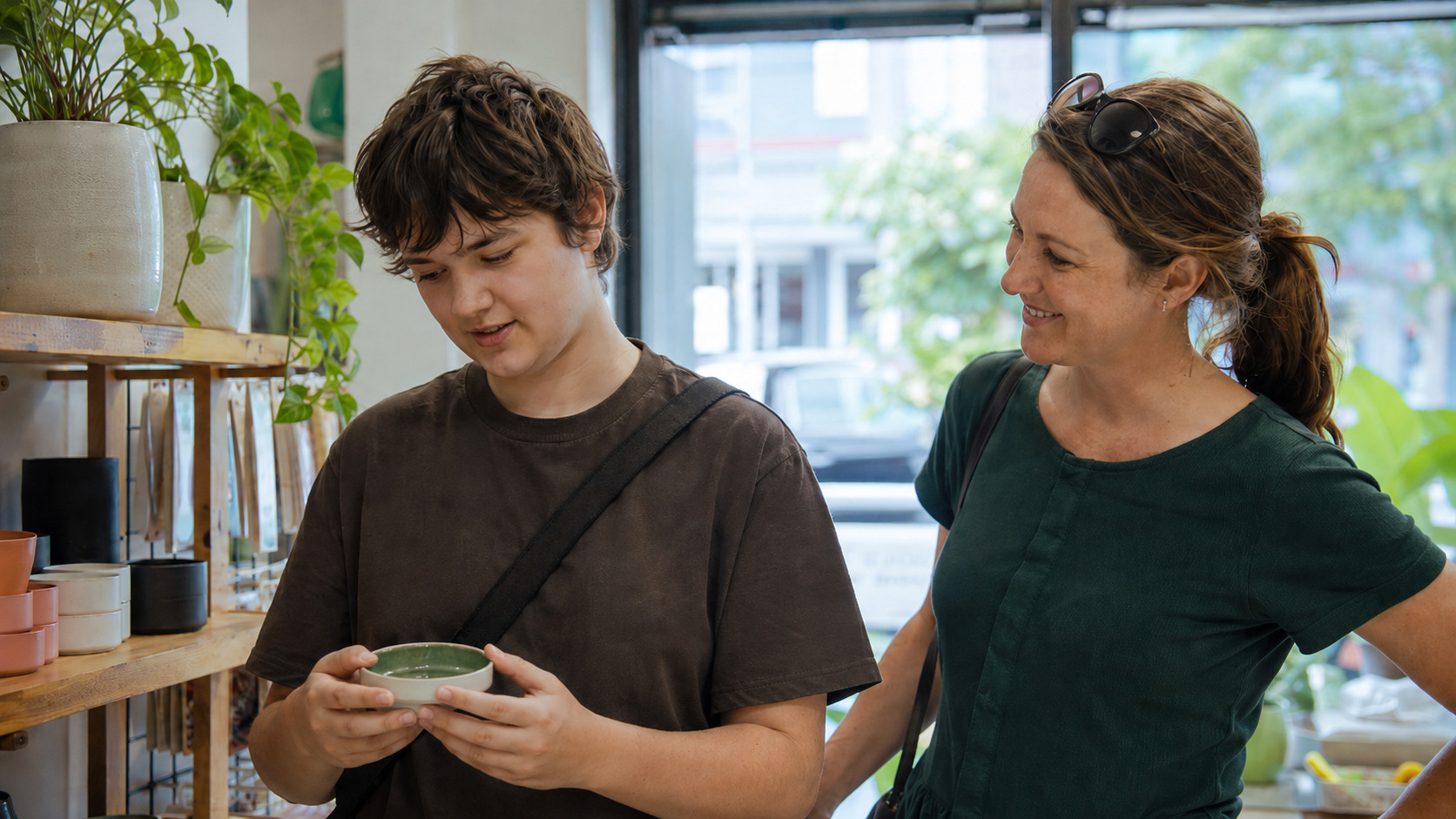
Choice-making can happen in everyday routines. A young person might choose between two breakfast options, two shirts, two community activities, two times for a break, or two ways to complete a task. Over time, these small choices help build confidence.
It is also important to respect the young person’s choice where possible. If adults offer a choice but then override it, the young person may learn that their preference does not matter. Of course, there will be limits around safety, timing and availability, but genuine choice should be included as often as possible.
At Autism Futures, person-centred support is central to how we work. This means understanding the young person’s goals, preferences, strengths and needs, rather than assuming every participant wants the same outcome. Choice-making is part of helping autistic teens build independence because it gives them practice in using their voice and participating in decisions about their own life.
Support Communication Without Speaking for Them
Communication is another major area where families can encourage independence. Many autistic young people communicate differently, and some may need extra time, visual supports, written options, communication tools or help understanding social expectations.
Families often become very skilled at understanding their young person. They may know what a look, gesture, pause or change in behaviour means. This is valuable. However, in new environments, other people may not understand the young person as easily. That is why communication support should focus on helping the young person express themselves in ways others can understand where possible.
This might involve practising simple phrases such as “I need help,” “Can you say that again?”, “I need a break,” or “I don’t understand.” For some young people, it might involve using visual cards, phone notes, text messages or other communication supports.
Families can also support communication by allowing processing time. When someone asks the young person a question, it can be tempting to answer quickly to avoid awkward silence. But silence can be useful. The young person may need time to think, understand the question and prepare a response.
A helpful family role might be to prompt gently rather than answer immediately. For example, instead of answering for the young person, a parent might say, “Take your time,” or “You can tell them which one you prefer.”
Autism Futures supports young people to improve communication, build relationships and develop confidence in social settings. This is a key part of NDIS autism family support, because communication skills are often practised across home, community and support environments.
Build Confidence Through Small Responsibilities
Confidence grows when young people experience success. This does not mean giving them huge responsibilities straight away. It means finding small tasks they can practise regularly.
A young person might start with one responsibility at home, such as putting their clothes in the laundry basket, packing a water bottle before going out, making toast, feeding a pet, checking the calendar, or helping prepare a simple meal.
The task should be clear, achievable and repeated often enough to become familiar. Families can provide support through modelling, visual steps, reminders or encouragement. Over time, the level of support may reduce.
The key is consistency. If a young person only practises a task once, they may not build confidence. If they practise it regularly in a calm and supportive way, the skill becomes more familiar.
It is also important to celebrate effort, not just perfect completion. A young person who completes one step with support is still making progress. A young person who tries again after frustration is building resilience. A young person who asks for help instead of giving up is developing self-advocacy.
Autism Futures can help young people practise everyday independence in real-life ways. This may include routine management, personal care, daily responsibilities, community participation and preparation for future opportunities. These practical skills help families move from doing everything for the young person to supporting them to do more for themselves.
Create Safe Opportunities to Try New Tasks
Trying new tasks can be stressful for autistic young people, especially when the task involves unfamiliar steps, sensory demands, social interaction or fear of making mistakes. Families can help by creating safe opportunities for practice.
A safe opportunity does not mean removing all challenge. It means reducing unnecessary stress so the young person can focus on learning.
For example, if the young person is practising ordering at a café, the family might choose a quiet time of day, look at the menu beforehand, practise the order at home, stand nearby for support, and allow the young person to use a written note if speaking feels difficult.
If the young person is learning to use public transport, the first step might be visiting the bus stop without getting on the bus. The next step might be taking one short trip with a support person. Later, the young person might practise checking the timetable or tapping on and off with guidance.
If the young person is learning to cook, the first step might be preparing one part of the meal, such as washing vegetables or spreading toast. The task can grow as confidence grows.
This gradual approach is very important when helping autistic teens build independence. It allows the young person to try, learn and recover without feeling pushed beyond their capacity.
At Autism Futures, we support young people to practise skills in everyday environments, at a pace that suits them. Our approach focuses on real-life outcomes, not just talking about independence in theory.
Let Young People Make Low-Risk Mistakes
Families often want to prevent mistakes because they do not want their young person to feel upset or discouraged. But low-risk mistakes are part of learning.
If a young person forgets to pack a jumper and feels cold, that may become a learning opportunity for checking the weather. If they choose a snack they do not enjoy, they may learn more about their preferences. If they take longer than expected to complete a task, they may learn about planning time.
Of course, families should still step in when safety is involved. But where the risk is low, allowing a young person to experience natural consequences can build problem-solving skills.
The way adults respond matters. If a mistake is met with criticism or frustration, the young person may feel ashamed and avoid trying again. If the mistake is treated calmly, it becomes part of learning.
A supportive response might sound like, “That didn’t work the way we expected. What could we try next time?” or “Good effort. Let’s make a plan for next time.”
This approach helps young people understand that mistakes are not failure. They are part of building independence.
Autism Futures can help young people develop problem-solving, emotional regulation and confidence through supported practice. This can make it easier for families to allow independence while knowing the young person has structured support.
Use Prompts That Encourage Independence
Prompting is a helpful tool, but not all prompts are equal. Some prompts encourage independence, while others create dependence.
A direct prompt tells the young person exactly what to do. For example, “Put your shoes on.” This may be useful, especially when the young person is learning a new routine. But over time, families may want to move towards prompts that help the young person think for themselves.
A more independence-building prompt might be, “What do you need before we leave?” or “Can you check your list?” This encourages the young person to use a routine or visual support.
Visual prompts can also be very useful. A checklist, calendar, picture sequence or phone reminder can reduce the need for constant verbal instructions. This can help the young person feel more in control and reduce family stress.
Prompts should be reduced gradually where possible. This does not mean removing support suddenly. It means noticing when the young person is ready for the next step.
At Autism Futures, support is tailored to individual pace. Some young people may need more direct guidance, while others may be ready for gentle prompting and more independent practice. This personalised approach helps make independence realistic and respectful.
Support Emotional Regulation Along the Way
Independence can bring big emotions. Trying something new may lead to stress, frustration, anxiety or uncertainty. Families may see this and feel tempted to stop the task completely.
Sometimes stopping is the right choice, especially if the young person is overwhelmed. But in many cases, emotional regulation support can help the young person return to the task later or try again in a smaller way.
A young person may need preparation before a new task, a quiet break during the task, or reassurance afterwards. They may need to know what will happen, how long it will take, who will be there and what they can do if they feel overwhelmed.
Emotional regulation is not separate from independence. It is part of it. A young person who can recognise stress, ask for a break and use a coping strategy is building independence.
Autism Futures supports emotional regulation and confidence, helping young people understand and manage emotions while building self-confidence and resilience. This is especially important when families are supporting young people to try new tasks, enter new environments or build future readiness.
Work Alongside Support Workers, Not Against Them
Some families worry that bringing in support workers means they are stepping away from their role. This is not the goal of person-centred support.
Good support should work alongside families, not replace them. Families bring deep knowledge of the young person. Support workers bring structured opportunities for skill-building, community participation and independence practice. When both work together, the young person benefits.
For example, a family may share that the young person feels anxious in busy environments. A support worker may then help the young person practise community access at quieter times, using sensory tools and gradual exposure. The family may continue supporting preparation at home.
A family may explain that the young person wants to work one day but struggles with morning routines. Autism Futures may support routine-building, communication, confidence and future-readiness skills as part of a personalised plan.
This partnership is central to autism family support. Families should feel included, respected and informed. The support provider should not ignore family knowledge, but also should not limit the young person’s growth by assuming they cannot try new things.
Autism Futures works closely with participants, families and carers, using a flexible and holistic approach focused on life skills, communication and community participation.
Respect the Young Person’s Pace
Independence takes time. Some young people may move quickly once the right support is in place. Others may need repetition, reassurance and gradual steps over a longer period.
Families may feel pressure when they see other young people studying, working, socialising or moving towards adulthood in more typical ways. But every young person has their own pathway.
Progress may look like speaking to a shop assistant for the first time. It may look like attending a community activity for 20 minutes. It may look like making one choice independently. It may look like packing a bag with fewer prompts. It may look like using a calming strategy before trying again.
These are meaningful steps.
Rushing can lead to stress and avoidance. Going too slowly may limit opportunities. The balance is found by watching the young person’s response, adjusting support and building gradually.
At Autism Futures, support is tailored to individual pace. This allows young people to practise independence in ways that are realistic, supportive and connected to their goals.
Focus on Strengths, Not Just Challenges
Families often spend a lot of time talking about challenges because they are trying to access support, explain needs or prevent difficulties. While this is necessary, young people also need to hear about their strengths.
Strengths may include honesty, creativity, memory, attention to detail, kindness, humour, reliability, strong interests, visual thinking, persistence, problem-solving or loyalty. Some young people may be skilled with technology, animals, routines, art, music, practical tasks, organisation or specific areas of knowledge.
When families focus on strengths, independence becomes more positive. The young person is not only working on what is hard. They are also building from what already works.
For example, if a young person loves animals, independence goals might include helping care for a pet, visiting an animal shelter, volunteering in an animal-related setting or learning routines around animal care. If a young person enjoys technology, goals might involve using calendar reminders, managing digital schedules or exploring future study and work interests.
Autism Futures supports future and work readiness through skill development and guidance, helping young people prepare for future opportunities in ways that connect with their strengths and aspirations.
Keep Routines Supportive and Flexible
Routines can make independence easier because they reduce uncertainty. A clear routine can help a young person understand what happens next and what is expected.
However, routines should support the young person, not trap them. A good routine creates predictability while still allowing some choice and flexibility.
For example, a morning routine may stay the same most days, but the young person might choose between two breakfast options. A community routine may include checking the plan, packing a bag and using transport, but the activity itself may vary. A weekly plan may include regular skill-building sessions, rest time, family time and community participation.
When routines change, families can support the young person by explaining what is different, what will stay the same and what the backup plan is.
Autism Futures supports everyday independence, including practical life skills such as personal care, routine management and daily responsibilities. This makes routine-building an important part of NDIS autism family support, because families and support workers can use shared strategies across settings.
Encourage Self-Advocacy
Self-advocacy means helping young people understand and express their needs, preferences and boundaries. This is an important part of independence.
For autistic young people, self-advocacy might include saying they need a break, explaining they prefer written instructions, asking for a quiet space, choosing an activity, saying no, asking for help or telling someone when something feels uncomfortable.
Families can support self-advocacy by giving the young person language, tools and opportunities to practise. This may include role-playing, using visual supports, writing scripts or practising simple phrases before appointments or community activities.
Self-advocacy also means adults listening when the young person communicates a need. If a young person says an environment is too loud, the response should not be to dismiss it. A better response is to help them understand what they can do, such as using headphones, taking a break or choosing a quieter time.
At Autism Futures, communication, emotional regulation and confidence are supported together because they all contribute to self-advocacy and independence.
When Families Should Step In
Encouraging independence does not mean families should never step in. There are many times when stepping in is appropriate.
Families should step in when there is a safety risk, when the young person is overwhelmed, when they do not understand what is happening, when the task is too complex for their current skill level, or when the environment is not supportive.
The difference is what happens next. After stepping in, families can think about how the task might be adjusted for next time. Could it be broken into smaller steps? Could the young person practise in a quieter environment? Would a visual support help? Would a support worker be useful? Does the young person need more preparation?
This reflective approach turns difficult moments into planning opportunities.
Autism Futures can help families identify what support is needed and how to create realistic next steps. This is especially helpful when families feel stuck between doing everything and expecting too much too soon.
How Autism Futures Can Help Families
Autism Futures provides personalised NDIS support for young people aged 15–25 with autism and mild intellectual disabilities. The organisation’s focus includes confidence, independence, life skills, communication, emotional regulation, community participation and future readiness.
For families, Autism Futures can help by supporting young people to practise real-life skills in a structured and encouraging way. This may include choice-making, communication, routine management, community access, emotional regulation, social confidence, everyday responsibilities and future-readiness skills.
Autism Futures can also help families feel more confident about how to support independence at home. Families do not need to have all the answers. With the right support, young people can practise new skills while families remain involved, informed and respected.
Our role is not to replace families. It is to work alongside them, helping young people build confidence and independence through practical, person-centred support.
Supporting Independence Without Taking Over
Supporting autistic young people without doing everything for them is a careful balance. Families want to help, but young people also need safe opportunities to practise independence, make choices, communicate needs and try new tasks.
The most effective approach is gradual, person-centred and practical. Independence does not mean doing everything alone. It means building confidence, participation and life skills at a pace that suits the young person.
Families can support independence by encouraging choice-making, allowing processing time, using prompts, creating routines, supporting emotional regulation, focusing on strengths and working alongside support providers. Person-centred support can help young people practise real-life skills while families remain an important part of the process.
Autism Futures can help young people aged 15–25 build confidence, independence, communication skills, emotional regulation, community participation and future readiness through personalised NDIS programs.
Contact Autism Futures for Family Support and Independence Building
If your young person needs support to build independence, practise life skills, improve communication or become more confident in everyday situations, Autism Futures can help.
Our personalised NDIS programs support autistic young people and their families with practical, person-centred guidance. Whether your young person is learning to make choices, manage routines, access the community, build confidence or prepare for future opportunities, our team can support them step by step.
Contact Autism Futures today to learn more about how we can work alongside your family and help your young person build independence at a pace that feels safe, respectful and achievable.