Daily routines can make a meaningful difference in the lives of autistic young adults. For many young people on the autism spectrum, routine is not about being “rigid” or doing the same thing every day for no reason. It is about creating safety, predictability and confidence in a world that can often feel fast, noisy, unclear or overwhelming.
When a young person knows what is happening, what comes next and what is expected of them, they can often participate more calmly and independently. A clear routine can support everything from getting ready in the morning to preparing meals, using transport, attending appointments, joining community activities and building future work readiness.
For families, this can be one of the most practical areas to focus on after school or during the transition into adulthood. Big goals such as independence, social confidence, further study or future employment are important, but they often begin with smaller daily habits. Being able to follow a morning routine, pack a bag, plan the day, prepare a simple meal or arrive somewhere on time can create the foundation for long-term confidence.
At Autism Futures, we support young people aged 15–25 with autism and mild intellectual disabilities through personalised NDIS programs. Our services focus on building confidence, independence, life skills, communication, emotional regulation, community participation and future readiness. Autism Futures also provides support around everyday independence, including practical life skills such as personal care, routine management and daily responsibilities.
This article explores why autism daily routine support matters, how structured routines can help young people feel safer and more organised, and how Autism Futures can help young adults practise real-world routines at a pace that suits them.
Why Daily Structure Matters for Autistic Young Adults
For many autistic young adults, daily life can involve a lot of hidden demands. Getting ready for the day may seem simple from the outside, but it can involve decision-making, sensory tolerance, time management, personal care, planning, communication and emotional regulation.
A young person may need to work out what to wear, when to shower, what to eat, what to pack, how to get somewhere, how long the trip will take, who they will meet and what will happen when they arrive. If these steps are unclear, the whole day can feel stressful before it has even begun.
Daily structure helps reduce that uncertainty.
A routine gives the young person a clear pathway through the day. It helps them understand what needs to happen and in what order. It can also reduce the need for constant verbal reminders from parents, carers or support workers. Over time, this can support greater independence because the young person is not relying only on someone else telling them what to do next.
This is especially important for young adults who are preparing for more community participation, future study, volunteering or work. Most adult environments require some level of routine. Appointments happen at set times. Courses have schedules. Workplaces have start times, breaks and tasks. Community activities often involve transport, planning and social expectations.
When routines are built gradually, young people can practise these expectations in a supportive way. They can learn how to prepare, arrive, participate and recover afterwards. This makes routine-building one of the most practical forms of life skills for autistic young adults.
Autism Futures can help young people develop these daily structures in ways that are realistic, flexible and matched to the individual’s goals.
Routines Are Not About Control
It is important to understand that routines should not be used to control a young person or remove their choices. A healthy routine should support confidence, not create pressure.
Some families worry that routines will make a young person less flexible. In reality, the right routine can often make flexibility easier. When a young person has a stable foundation, they may feel more prepared to handle small changes. Predictability can create emotional safety, and emotional safety can support learning, independence and confidence.
For example, a young person who has a clear morning routine may feel calmer before leaving the house. If one small thing changes, such as a different transport time, they may still feel grounded because the rest of the routine is familiar. Without any structure, the same change may feel much bigger.
The key is to build routines that are supportive, personalised and flexible. A young person should know what is expected, but there should also be room for choice, rest and adjustment. Some days will be harder than others. A good routine recognises this.
At Autism Futures, support is tailored to each young person’s pace, strengths and future aspirations. The goal is not to force independence before someone is ready. The goal is to help each participant build confidence through practical steps that make daily life feel more manageable.
Building a Morning Routine
A morning routine is one of the most useful starting points for building everyday independence. For many young adults, the way the morning begins can shape the rest of the day. If the morning feels rushed, confusing or overwhelming, it can increase anxiety and make it harder to participate in activities later.
A morning routine may include waking up, getting dressed, personal hygiene, eating breakfast, checking the day’s plan and preparing to leave the house. For some young people, this may be easy. For others, each step may need to be broken down and practised many times.
The routine should be clear and achievable. Instead of saying, “Get ready,” it may be more helpful to create a step-by-step process. The young person might have a visual checklist, a written schedule or a simple routine on their phone. The routine may include choosing clothes the night before, placing important items near the door, setting reminders, or using a timer to support time awareness.
Families often find that mornings become calmer when there are fewer decisions to make. For example, having a consistent place for shoes, keys, headphones, water bottle and bag can reduce stress. Planning breakfast options in advance can also make the morning easier.
Autism Futures can help young people practise morning routines as part of daily living skills autism support. This may involve building confidence with personal care, organisation, time management and preparing for community activities. Over time, the young person may need fewer prompts and feel more capable starting the day independently.
Managing Time in a Way That Makes Sense
Time management can be challenging for many young people, especially when time feels abstract. A parent or support worker may say, “We need to leave in 20 minutes,” but the young person may not know what that means in practical terms. They may not understand how long it takes to finish breakfast, brush teeth, pack a bag and get to the car or bus stop.
This is where routines can make time more visible.
A young person may benefit from visual timers, phone reminders, written schedules, colour-coded calendars or simple prompts that connect time to action. For example, instead of only saying, “Your appointment is at 10,” the plan might say, “Breakfast at 8:30, shoes on at 9:15, leave home at 9:25, arrive at appointment at 9:50.”
This gives the young person a clearer picture of the steps involved.
Time management is not only about being punctual. It also supports emotional regulation. When a young person understands the timing of the day, they may feel less rushed and more prepared. This can reduce stress for the whole family.
For young adults preparing for study, work readiness or volunteering, time management becomes even more important. Being able to arrive on time, follow a schedule and understand breaks can support participation in future opportunities.
Autism Futures can support young people to practise time management through real-life routines. This may include preparing for appointments, planning outings, attending programs, using calendars or learning how to manage transitions between activities.
This is a practical part of autism routine management, because it helps young people connect daily structure with independence and confidence.
Preparing Meals and Building Everyday Confidence
Meal preparation is another powerful routine for young adults. It supports independence, health, decision-making, planning, sequencing and confidence. It can also give young people a sense of achievement because the outcome is immediate and practical.
For some autistic young adults, meal preparation can feel overwhelming because it involves many steps. Choosing what to eat, checking ingredients, using kitchen tools, following instructions, managing sensory experiences, cleaning up and staying safe can be a lot to process.
The best approach is usually to start small.
A young person may begin by preparing a simple snack, making toast, pouring cereal, packing lunch or helping with one part of a meal. Over time, they may build towards making simple meals with support. The routine might include choosing from two meal options, checking a visual recipe, gathering ingredients, following steps and cleaning up afterwards.
Sensory preferences should also be considered. Some young people may be sensitive to smells, textures, sounds or temperatures in the kitchen. Others may enjoy cooking but become frustrated if the instructions are unclear. Support workers and families can help by making the process predictable and reducing unnecessary stress.
Autism Futures can help young people develop food-related routines in a way that is respectful and practical. For some participants, the goal may be making breakfast more independently. For others, it may be learning how to pack lunch before a community activity or prepare a simple meal after returning home.
These small routines are part of NDIS everyday independence because they help young people participate more fully in their daily lives.
Getting Ready to Leave the House
Leaving the house can be a major routine in itself. It may involve getting dressed, packing a bag, checking the weather, preparing sensory tools, planning transport, understanding where the young person is going and knowing what will happen when they arrive.
For autistic young adults, this can be stressful if the process is unclear or rushed. A young person may know they are going out, but not know what to bring, how long they will be away, who will be there, or what will happen if they feel overwhelmed.
A strong leaving-the-house routine can reduce this stress.
This routine might include checking a visual schedule, packing headphones, water, phone, wallet, medication if needed, communication supports or comfort items. It might also include reviewing transport, looking at photos of the destination, confirming the return time and planning a quiet break.
The routine should also include emotional preparation. A young person may need reassurance, extra processing time or a reminder that they can ask for help. They may also need a clear plan for what to do if the environment becomes too noisy or crowded.
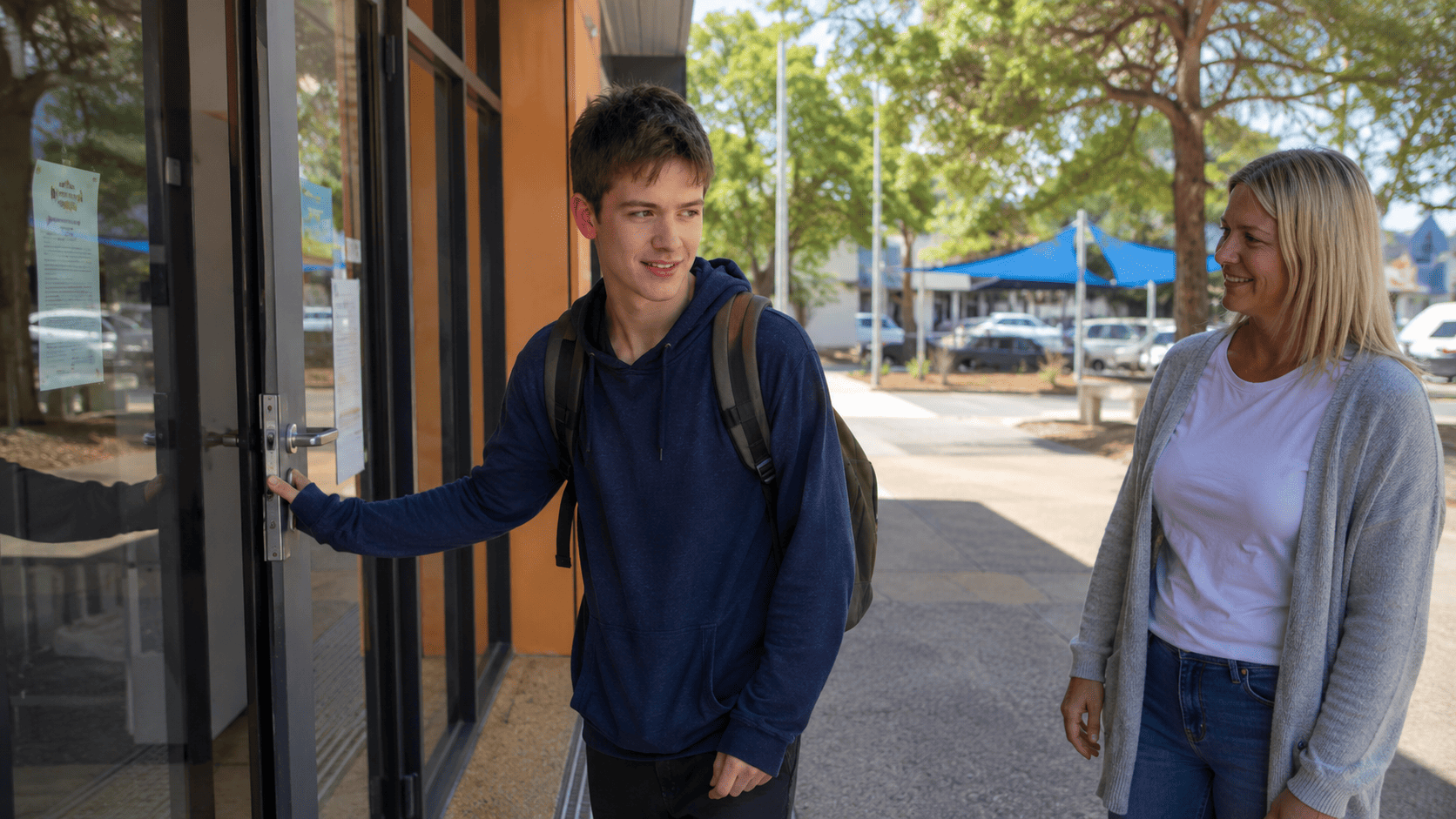
Autism Futures can support young people to practise these routines in real-world settings. This could include preparing for a café visit, community centre activity, appointment, local shopping trip, volunteering opportunity or future-readiness session.
By practising these steps regularly, young people can build confidence leaving the house and participating in the community.
Using Transport as Part of Independence
Transport is a major part of adult life. Being able to travel safely and confidently can open up access to community activities, appointments, social opportunities, training, volunteering and future work.
For many autistic young adults, transport can also bring anxiety. There may be noise, crowds, waiting, unexpected delays, unfamiliar routes and social interactions. Even a short trip can feel overwhelming without preparation.
Transport routines can help make this more manageable.
A young person may start by learning one familiar route with support. They may practise walking to a nearby location, catching a bus with a support worker, using a rideshare safely, or understanding how to read a timetable. The routine may include checking the route, preparing a travel card, knowing where to wait, identifying landmarks and understanding what to do if something changes.
It is important not to rush this process. Some young people may need to repeat the same route many times before they feel confident. Others may need visual supports, maps, written steps or practice during quieter times of the day.
Autism Futures can help young people build transport confidence gradually. This type of autism daily routine supportcan make community participation more achievable and help young adults feel more connected to the world around them.
Transport independence does not always mean travelling alone. It may begin with supported travel, then move towards partial independence when the young person is ready.
Attending Appointments With Less Stress
Appointments are a normal part of adult life, but they can be difficult for autistic young adults. Medical appointments, allied health sessions, employment meetings, NDIS-related appointments or community programs can involve waiting, unfamiliar people, new information and unexpected questions.
A routine around appointments can help reduce stress.
This might include writing the appointment in a calendar, preparing questions in advance, packing needed items, checking the location, planning transport and reviewing what will happen. After the appointment, the young person may need time to decompress and talk through what was discussed.
Some young people may need help communicating during appointments. They may find it difficult to explain how they feel, ask questions or process information quickly. A support worker, parent or carer can help by preparing notes, giving the young person time to respond and making sure information is explained clearly.
Autism Futures can help participants build confidence around appointments by practising communication, planning and routine management. This supports broader independence because the young person becomes more familiar with the steps involved in managing adult responsibilities.
For families, this can reduce the pressure of managing every detail alone. With the right support, young people can gradually take a more active role in their own appointments and decisions.
Community Participation and Real-World Practice
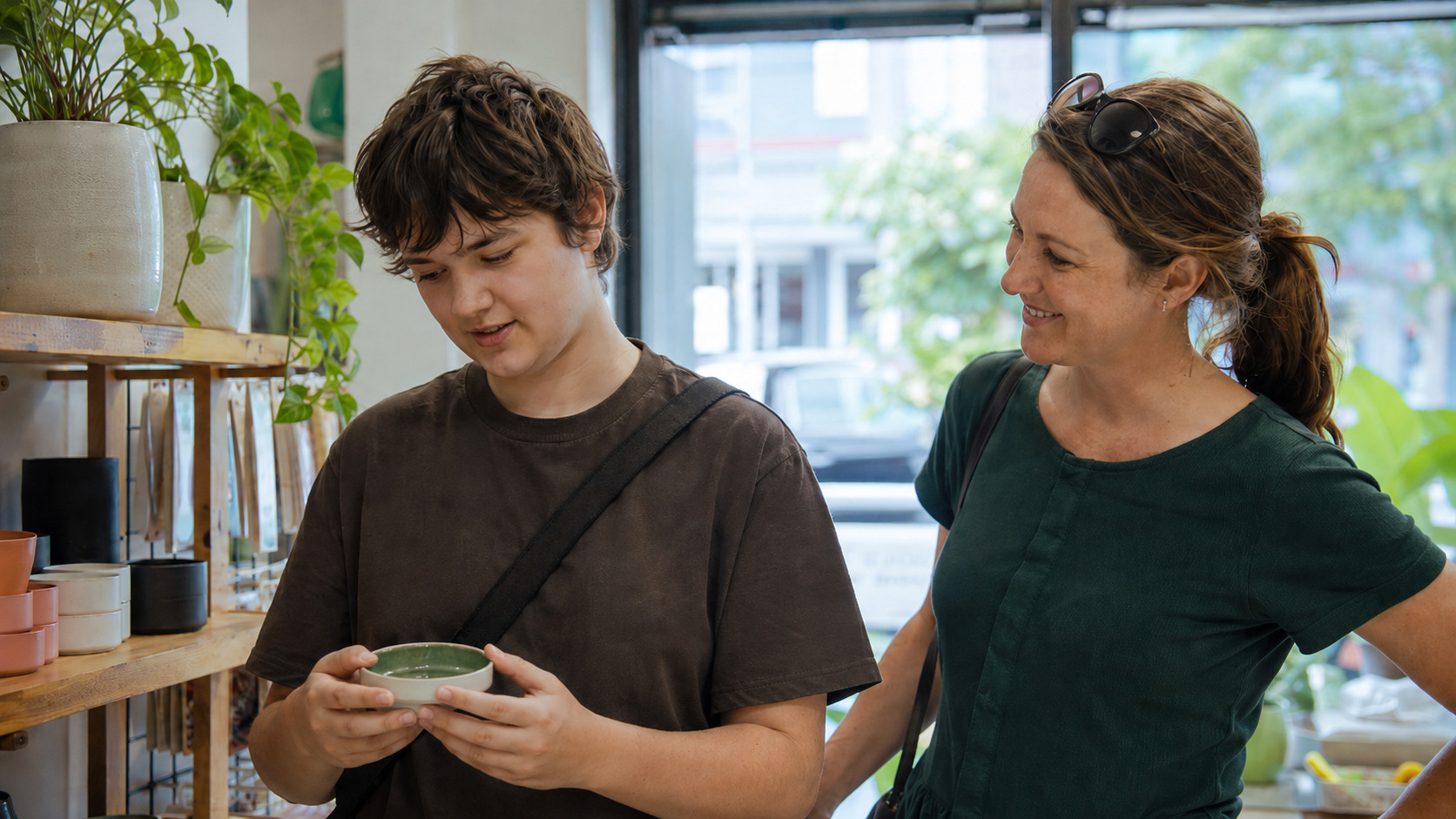
Community participation is one of the most important reasons routines matter. A young person may want to join a group, visit a library, go shopping, attend a class, volunteer, meet friends or explore future work options. To do these things confidently, they often need routines that support preparation, participation and recovery.
A community routine might begin before leaving home. The young person checks where they are going, what they need to bring, who will be there and how long the activity will last. During the activity, they may use communication strategies, take breaks or follow a predictable sequence. After the activity, they may need quiet time, reflection or support to plan the next step.
This type of routine helps community participation feel safer and more predictable. It also helps young people build skills through real-life practice rather than only talking about independence in theory.
Autism Futures places strong focus on real-life outcomes, person-centred support and community participation. The organisation works closely with participants, families and carers to help young people build confidence and independence through tailored support.
For autistic young adults, community routines can support confidence, social skills, emotional regulation and future readiness. Over time, a young person may move from attending an activity with close support to participating with more independence.
Why Support Workers Matter in Routine Building
Support workers can play an important role in helping young people practise routines in real-life settings. They can provide encouragement, prompts, modelling and reassurance without taking over.
A good support worker does not simply do tasks for the young person. Instead, they help the young person learn how to do more for themselves, one step at a time. This may involve demonstrating a task, using a checklist, offering choices, helping the young person reflect on what worked, or gently supporting them through challenges.
For example, if a young person is learning to buy groceries, the support worker might help them write a short list, plan the trip, find items in the store, use self-checkout and return home. The support worker may step in when needed, but the focus remains on building the young person’s confidence and skills.
This approach is central to life skills for autistic young adults. Skills need to be practised in the places where they will actually be used. A young person may understand a routine at home, but still need support to use that routine in a busy shop, on public transport or at an appointment.
Autism Futures can help young people build these real-world skills through structured, personalised support. The pace is important. Some young people may need a lot of repetition. Others may be ready to take on more independence quickly. The support should match the individual.
Routines and Emotional Regulation
Routines are closely connected to emotional regulation. When life feels predictable, many young people feel calmer. When a routine is unclear or interrupted, stress can increase.
This does not mean routines should never change. Life will always involve some changes. The goal is to create enough structure that changes become easier to manage.
For example, a young person who has a regular routine for going to a community activity may feel more confident because they know what to expect. If the activity time changes one week, the support worker can update the schedule, explain the change, review what stays the same and help the young person prepare.
This builds flexibility gradually.
Routines can also include calming strategies. A young person may have a routine for what to do when they feel overwhelmed. This could include asking for a break, using headphones, going to a quiet space, drinking water, using a sensory item or sending a message to a trusted person.
Autism Futures supports emotional regulation and confidence alongside everyday independence. This matters because routines are not just practical. They also help young people feel safer, more capable and more ready to participate.
Routines and Communication Skills
Daily routines also create natural opportunities to practise communication. A young person may need to ask for help, make a choice, say they need more time, explain a preference or confirm what is happening next.
These communication moments can happen during everyday activities such as cooking, shopping, travelling, attending appointments or joining community programs.
For example, during a meal preparation routine, a young person may practise choosing between two options, asking where something is, saying they do not like a texture, or requesting a break. During a transport routine, they may practise asking a support worker to repeat information or checking which stop to get off at.
These small communication skills can have a big impact on independence.
Autism Futures supports communication and social skills as part of its broader services, helping young people build relationships and confidence in social settings. When communication skills are practised through routines, they become more meaningful because the young person can use them in real life.
Routines and Future Work Readiness
Work readiness does not start with a resume. It often starts with daily routines.
Before a young person is ready for work, they may need to practise getting up at a consistent time, preparing for the day, packing what they need, travelling to a location, following instructions, managing breaks, completing tasks and communicating with others.
These are all routine-based skills.
A young person who can follow a morning routine, arrive somewhere on time and manage a simple task sequence is already building skills that can support future employment or volunteering. A young person who can ask for help, manage frustration and recover after a busy activity is also developing important work-readiness skills.
Autism Futures provides support around future and work readiness, preparing young people for employment and future opportunities through skill development and guidance. Routine-building connects directly to this goal because it helps young people practise the habits and expectations that adult environments often require.
For some participants, work readiness may be a long-term goal. For others, it may be closer. Either way, real-world routines can help create the foundation.
Making Routines Flexible, Not Rigid
A routine should help a young person feel more confident, not trapped. Flexibility can be built into routines from the beginning.
For example, a weekly plan may include regular activities but also choice. Monday might be a community day, but the young person may choose between the library and a walk. A morning routine may stay the same most days, but breakfast options can vary. A transport routine may focus on one familiar route first, then slowly introduce another route when the young person is ready.
It can also help to create backup plans. If an activity is cancelled, the young person can choose from two alternatives. If a café is too noisy, there is a quieter option nearby. If transport is delayed, there is a plan for what to do while waiting.
This approach teaches flexibility without removing predictability. The young person still has structure, but they also learn that changes can be managed.
Autism Futures can support this balance. We understand that many autistic young adults benefit from clear structure, but also need support to build confidence with change over time.
How Families Can Support Routine Building at Home
Families do not need to create a perfect routine straight away. The best approach is usually to start with one area of daily life and build from there.
For example, a family might begin with the morning routine. Once that becomes more consistent, they might focus on meal preparation, transport, appointments or community participation. Trying to change everything at once can create stress for both the young person and the family.
It can help to involve the young person in the routine where possible. They may choose the order of some tasks, select preferred meals, decide which calendar format they like, or choose a reward or relaxing activity after completing a routine.
Families should also expect that routines will need adjusting. A routine that works during school may not work after school. A routine that works at home may need changing when community activities increase. A routine that works in summer may need adjusting in winter.
The goal is progress, not perfection.
Autism Futures can work alongside families to support practical routine development. This can help reduce stress at home and give young people more opportunities to practise independence in a supported way.
What Real Progress Can Look Like
Progress with routines can be small at first. It may not always look dramatic from the outside, but it can be very meaningful.
A young person might begin checking their own calendar. They might pack their bag with fewer prompts. They might prepare breakfast twice a week. They might use a checklist to get ready. They might travel to a familiar place with support. They might attend an appointment with less stress. They might recover more quickly after a change in plans.
These small steps matter because they build confidence.
Over time, routines can help young people feel more capable. They may begin to trust that they can handle parts of daily life. They may become more willing to try new activities because they have routines that help them prepare.
At Autism Futures, we recognise that independence is built through repeated, real-world practice. Each young person’s progress will look different, and support should be tailored to their individual goals, strengths and needs.
Common Mistakes When Building Routines
One common mistake is making routines too complicated. If a routine has too many steps, it may become overwhelming. It is better to start simple and add detail gradually.
Another mistake is expecting independence too quickly. A young person may need modelling, prompting and repetition before they can complete a routine with less support. This is not failure. It is part of learning.
Some families also rely heavily on verbal reminders. While reminders can be helpful, too many spoken instructions can become stressful. Visual supports, written checklists or phone reminders may give the young person more control.
It is also important not to treat routine difficulties as laziness or refusal. If a young person is struggling to start or complete a routine, there may be a reason. The task may be too unclear, too sensory-demanding, too rushed or too emotionally overwhelming.
Autism Futures can help identify where the routine is breaking down and what support may make it more achievable.
How Autism Futures Can Help With Routine Management
Autism Futures provides personalised NDIS support for young people aged 15–25 with autism and mild intellectual disabilities. Our approach is person-centred, structured and focused on real-life outcomes. Autism Futures works closely with participants, families and carers to support confidence, independence and future pathways.
For young adults who need help with routines, Autism Futures can support areas such as morning routines, personal care, meal preparation, community access, time management, transport confidence, appointment preparation, communication, emotional regulation and future readiness.
The support is tailored to the young person’s pace. Some participants may need help starting with simple daily living skills. Others may be ready to practise more complex routines connected to volunteering, study, community programs or employment readiness.
Autism Futures can help turn NDIS goals into practical everyday actions. Instead of only talking about independence, we support young people to practise independence in real-life settings.
This is what makes NDIS everyday independence meaningful. It is not just a phrase in a plan. It is the daily process of building confidence, one step at a time.
Why This Topic Matters for Young Adults and Families
Daily routines may seem simple, but they can shape a young person’s confidence, independence and future opportunities. When routines are clear and supportive, young people can spend less energy trying to understand what is happening and more energy participating in life.
For families, routine-building can reduce daily stress and create more predictable expectations at home. It can also help parents and carers see what the young person can do independently, where they need support, and what goals may be realistic for the next stage.
For young people, routines can create a sense of control. They can help them feel more prepared, more capable and more confident trying new things.
This is why autism daily routine support is such an important part of building independence. It connects practical life skills with emotional wellbeing, communication, community participation and future readiness.
Autism Futures can help young people develop routines that are not only structured, but meaningful. The aim is not to make life feel limited. The aim is to create the foundation for more choice, confidence and participation.
Autism Daily Routine Support and Everyday Independence
Building real-world routines is one of the most practical ways to support autistic young adults as they move towards greater independence. Daily structure can help young people feel safer, more organised and more confident in everyday life.
For families looking for autism daily routine support, it is important to focus on routines that connect to real-world skills. This may include getting ready, managing time, preparing meals, using transport, attending appointments and participating in the community.
These routines support life skills for autistic young adults by helping young people practise everyday tasks in a structured and supportive way. With the right support, young people can develop confidence in daily responsibilities and build towards future goals.
Through personalised NDIS everyday independence support, Autism Futures can help young people develop routines that match their needs, strengths and pace. Our approach to autism routine management is practical, person-centred and focused on real-life outcomes.
For young people who need support with daily living skills autism, Autism Futures can help build confidence step by step.
Contact Autism Futures for Routine and Independence Support
If your young person needs support to build daily routines, develop life skills, manage time, prepare for community participation or become more confident with everyday independence, Autism Futures can help.
Our personalised NDIS programs support young people on the autism spectrum to build practical skills in real-life settings. Whether the goal is getting ready with less stress, preparing simple meals, using transport, attending appointments, joining community activities or preparing for future opportunities, our team can provide structured, supportive guidance.
Contact Autism Futures today to learn more about how we can support your young person with routine management, daily living skills and everyday independence.
A more confident future can begin with small, practical steps — and Autism Futures is here to help.